
Anxiety
Learning to use our in built warning systems
Summary
01
Focus on something outside of your head
02
Use your anxiety to help you
03
Learn to challenge your own thoughts
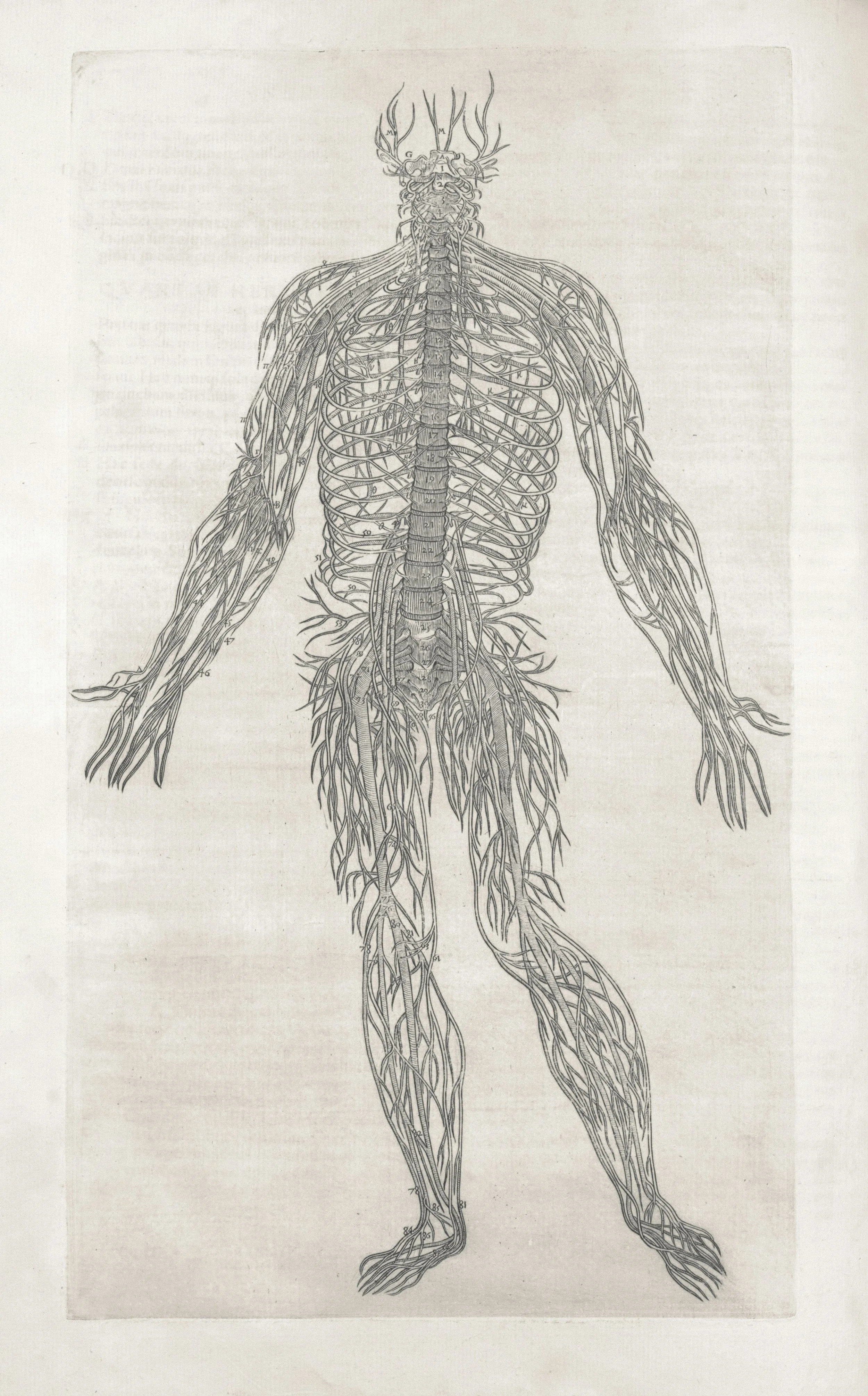
Hi, I’m your nervous system
This fun bundle of wires is the reason you think, feel and, sometimes, even feel nervous. But what is nervousness and how can we use it instead of it using us?
What is Anxiety?
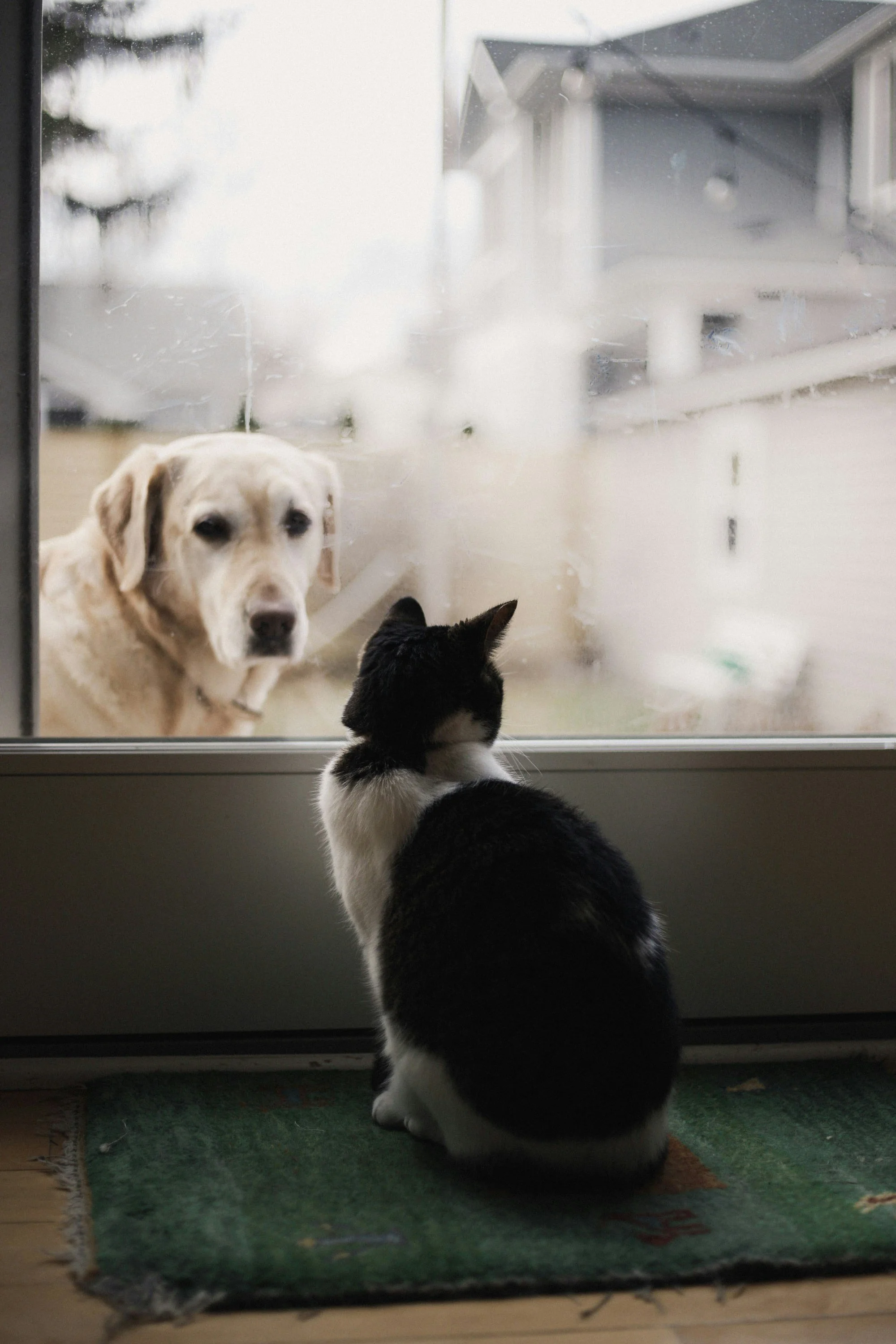
Anxiety is “an emotion characterized by apprehension and somatic symptoms of tension in which an individual anticipates impending danger, catastrophe, or misfortune” (APA, 2018).
Simply put…
Anxiety is our body and brain fearfully responding to something “unknown”.
For example “what is that rustling in the bushes” or “wait, did I do my homework” or even “is this dog friendly”.
It is our mind making up a negative story on what might be true.
We feel anxious because…
Your brain wants to protect you, so if maybe there is a tiger in the bushes it is safer to avoid it and leave than stay.
However, sometimes our brain can get it wrong. What do we do then?
Good and Bad Anxiety
Toolkit
What-if to To-do list. Turn your worries (What if’s) into actionable tasks (To do’s)
Empathy. Use your own experiences with anxiety to recognize when others feel that way and lend a helping hand.
Problem solving. What specifically are you anxious about happening? Use that drive to engage with the problem.
Reframing. Notice what the anxiety is telling you about the situation. Now try to reassess a different but honest way of seeing the scenario.
This comes from Dr. Wendi Suzuki’s book “good anxiety”. Although we might have, and actually need anxiety, we can learn to use it better. Think of it like wind for a ship. It can either push us forward quickly, or hurl us backwards.
In the brain, anxiety triggers cortisol. This hormone leads to the release of more energy to help you get ready for what could happen. We can learn to use that energy, instead of it getting in our way.


Social Anxiety
Where is your attention?
While self awareness is a very important skill, one thing that can happen is we think too much about ourselves in social scenarios. Follow along the example below
Mini Tool Kit
Eye contact (Gets you out of your own head)
Learn how to listen actively (focus on the other person)
Be aware of your safety behaviours
-
I meet some people and look down when talking. I hear laughing. What do I assume?
-
“Oh god, of course they are laughing at me.”
See how the brain can make an assumption with bad anxiety.
-
Going forward I avoid meeting new groups because of this one incident. I don’t take people up on invites, I avoid new groups and social activities etc.
This is called a “safety behaviour”. Avoiding what might feel uncomfortable in the moment but long term makes the anxiety much harder to deal with.
What does it “feel” like?
-
Nervousness, worry, fear, irritability, insecurity, wanting to avoid everyone, self-consciousness, desire to escape etc
-
Headache, nausea, vomiting, sweating, trembling, stomach pain, ulcers, diarrhea, tingling, weakness, body ache, feeling shortness of breath, hot flashes or chills, increased blood pressure and heart rate, etc.
Coping with Anxiety

Breathwork
A fast way to "chill out" your nervous system is actually by a breath technique. Video for this is here Breath through your nose taking a full breath.
Pause for a second, and inhale a little extra through your nose again.
Exhale slowly through your mouth
Box breathing (3 secs in, 3 secs pause, 3 secs out, 3 secs pause) is also good!
Exercise
Just getting outside for a walk can be really beneficial for anxiety or other things such as focus. If possible, more intense exercise has some extra positive benefits on anxiety too, but even a 10 minute walk is great for you!

Meditation
Ok ok, this is probably one you have heard a million times but are slow to try. At least that was me. Thankfully, meditation and mindfulness have lots of different versions, so you can find one that works for you.For example:
Eat a single almond and focus all your attention on that experience
Alternate nostril meditation
NSDR/Yoga Nidra (Which is also very good for sleep)
Guided meditation
Simply sit and focus on your breathing

Grounding
This is a tool where we change our focus from internal (our own thoughts and feelings) to external (what is going on in the outside world).
Focus on taking a deep breath then counting:
5 things you can see
4 things you can feel
3 things you can hear
2 things you can smell
1 thing you can taste
(NHS Anxiety Self-Help Guide, 2024)
You can also do this for counting how many lights are on the ceiling, how many trees can you see etc. It is about changing where you are focusing.
Avoidance
Anxiety encourages us to avoid something. This can make things worse however, such as with safety behaviours in social anxiety. It is good to learn to not only avoid but to confront.
How could you step towards, and not away from, a problem?
What this does, is literally build new connections in your brain that learn to control the anxiety response. What is really cool is that this also spills over to other anxieties as you are building up your ability to be more brave!

What stands in the way, becomes the way - Marcus Aurelius
-
McNally, R. J. (2007). Mechanisms of exposure therapy: How neuroscience can improve psychological treatments for anxiety disorders. Clinical psychology review, 27(6), 750-759.
-
Anxiety self-help guide. (2024). NHS Inform. https://www.nhsinform.scot/illnesses-and-conditions/mental-health/mental-health-self-help-guides/anxiety-self-help-guide/
-
American Psychological Association. (2025). Anxiety. American Psychological Association. https://www.apa.org/topics/anxiety