
Motivation & Procrastination
Learning how not to put stuff off and get more done
Procrastination Summary
01
Avoid easy things that feel good with no effort
02
Do things that regulate emotions (journaling, good sleep etc)
03
Try to understand why you are not doing the stuff (anxiety, boredom etc)
Motivation Summary
01
Plan achievable short term specific goals
02
Think/write about your perfect future
03
Learn to reframe how you are looking at a task

The Marshmallow Test
Imagine when you are a child left in a room with a single marshmallow on a plate in front on you. You could eat this one now, but if you wait, you will get a second marshmallow and get to eat both. Would you try to resist, and could you succeed? Watch the video below to see how this plays out for kids.
How you deal with these short term impulses will be really important in your ability to get the right stuff done (Steel & Klingsieck, 2016).

Two sides of the same coin
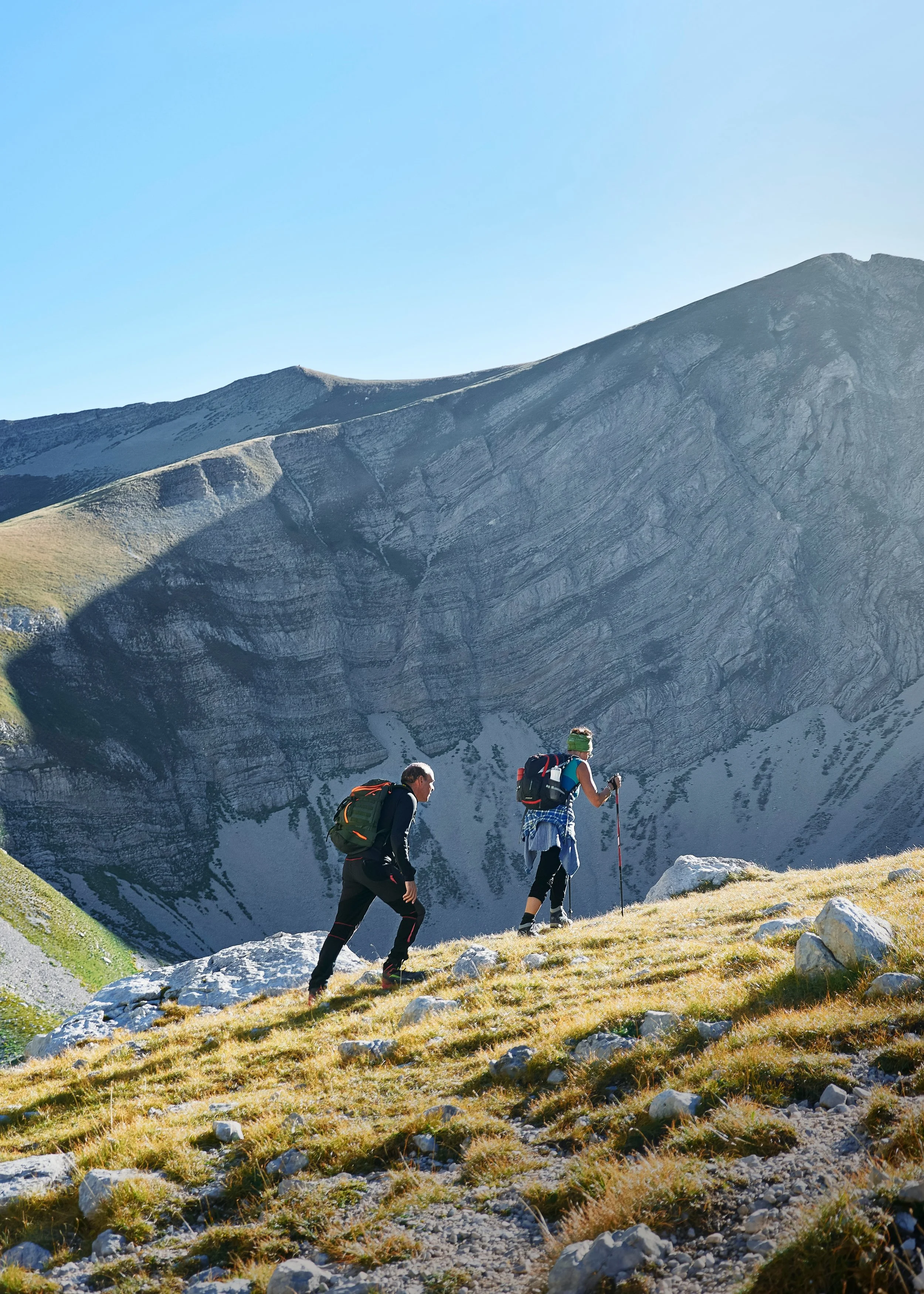
Imagine you are standing at the foot of a big mountain. To get to the top will take some effort so our brain needs motivation. This motivation can come from us (intrinsic motivation) or from the outside world (extrinsic motivation). So we need the motivation to spend the energy to do stuff, but there is another part.
However, stuff can get in the way of our task. Maybe it is fear or anxiety. This block is procrastination i.e. putting off a task. For example, a fear of failure might cause you to put off trying the climb. So, you might stay at the bottom of the mountain where there is no fear of failure involved.
When we want to do stuff we need to figure out is it a motivation issue, a procrastination issue, or a little bit of both.
Motivation
We are going to focus on a specific type of motivation called intrinsic motivation. This is the type that comes from you and not the outside world.
This is defined as people deciding to do something because a part of them finds it both interesting and satisfying and not just for external rewards.
This is extra valuable because the motivation can come from within us. You can end up doing difficult things because you actually want to not just because you have to.
Procrastination
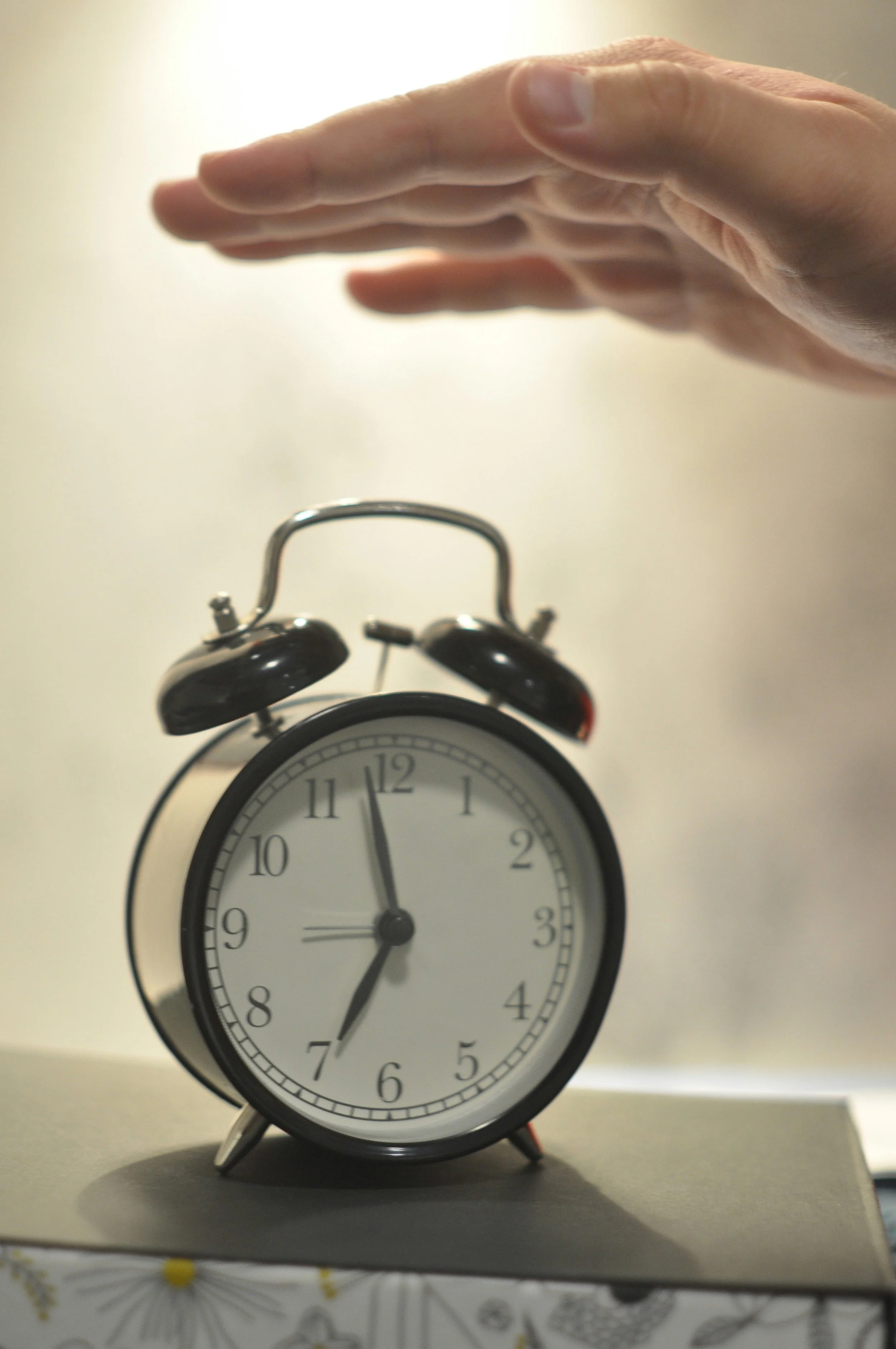
Procrastination is very fancily defined as when we decide “to voluntarily delay an intended course of action despite expecting to be worse off for the delay”.
Basically, procrastination is when we put off doing something even though this delay makes things worse.
Think about when you decided not to get up on time, do put off homework for tomorrow morning, go to training another day, avoid a difficult conversation etc. All these are examples of procrastination.
Do the best you can until you know better. Then when you know better, do better — Maya Angelou
Dopamine, Dopamine and more Dopamine
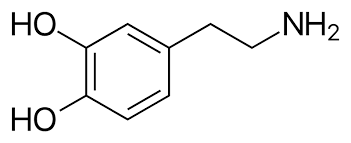
So how does our brain decide what to be motivated for? This is where dopamine comes in. The magical little molecule has become a bit of a buzzword recently, but very simply it is responsible for the motivation you have to do something. Without it, you wouldn’t reach out for a plate of food in front of you no matter how hungry you were! So, we need to be careful how we use it.
Dopamine toolkit
Dopamine is essentially refilled overnight. Be careful how you use what are essentially “motivation points” early in the day.
New things create dopamine. That’s why short content online hooks us so much. Try to use this to our advantage. Learning a new song, or on a smaller scale a new part of a song can help us want to reengage in practice.
The “feel good” paradox. The more you push on the feel good side of the dopamine, the more your brain pushed on the feel bad side. Be very wary of things that feel good with little effort. This will make it very hard to do effortful things that are good for us over time.
Dopamine actually comes before expected rewards. If you like the feeling of improvement from training, the dopamine release will come before the result and during the task (i.e. liking the journey)
Have goals that matter to you with measurable progress. Dopamine rewards forward movement towards a goal, so the less goals we have or the less progress, in theory, the less we will get dopamine.
Procrastination is the thief of time – Charles Dickens
Why do we procrastinate?
Reasons
Unhealthy Perfectionism/Fear of failure
Boredom
Impulses (e.g. checking phone)
Social factors (our groups)
Having no achievable/wanted goals
Low Motivation/Energy
Low Conscientiousness
Neuroticism
Extraversion
Personality influencing procrastination
How much we procrastinate is strongly linked to the trait conscientiousness, i.e. the hardworking trait. Two traits that influence how we procrastinate are neuroticism, how much we feel negative emotions, and extraversion, how social and energetic we are.
Understanding the cause can help with changing it. You can take a quick personality test* below to see how you score on these traits.
* If you don’t understand any questions just answer “Neither accurate nor inaccurate”.
-
This trait includes being organized, responsible, and hardworking. The opposite of this trait is “lack of direction”. If we can increase our conscientiousness, we can decrease procrastination.
-
This changes how we procrastinate. With high neuroticism, procrastination is because there is a fear of failure, anxiety about doing badly, feeling lost and unsure etc. If this trait is very low, someone might not feel enough of a push to do the work because, as many Irish people say, “It will be grand”.
-
Those high on extraversion might be easily bored by some tasks. If it is low, someone might not have the energy to do hard work a lot of the time.
My mother always told me I wouldn't amount to anything because I procrastinate. I said, 'Just wait' – Judy Tenuta
How to reduce procrastination
Tools
Divide tasks into clear easy chunks (SMART)
Reframing hard work
Improving your mindset
Mindfulness/Self Awareness
Support from others (e.g. study group)
Build intrinsic motivation
Task order (Hard then easy)
Do more difficult things
Improve impulse control (e.g. waiting it out, it will go away over time)
Observe and challenge thoughts
Try to avoid very easy feel good things
Understand why you’re procrastinating
Use boredom
Understand the small tasks also matter, don’t view them as useless
Some useful tools
Manage impulses. When we think of doing our work we might get an impulse e.g. “I want to check my phone”. Recognize that your thoughts are actually separate from “you” (see self awareness and reframing). You can also use “urge surfing” which is just waiting out the impulse. Ever get hungry and after a while the hunger goes away. Same idea! This skill gets stronger over time if you practice too.
Understand the cause. I procrastinate when I am not specific and need to just “work”. I get uncomfortable as I feel lost so I fix that by being specific on what exactly I need to do. SMART (Specific, Measurable, Achievable, Realistic, Timed) goals can help with this. Why are you avoiding the thing, and how might you get around this?
Using boredom. Brains dislike boredom and we can use this. If you want to write a book, sit down at your desk. You don’t have to write, but you are not allowed to do something else. You can’t get up to clean your room, watch YouTube interviews with other authors etc. You put your brain in a position where it has to pick between something or nothing. Often, it will pick the something. In some experiments, certain people will literally buzz themselves with electricity just to avoid boredom.
-
Imagine you have to eat a plate of badly cooked vegetables and your favorite desert. Which one will you go for first? This actually makes a big difference to your brain. By eating the desert first it makes eating the veg harder. If you do the easy fun thing first, it makes the hard thing much much harder to do.
-
You are made up of lots of little sub personalities and are not just one “you”. One part might want to work hard, another wants to clean your room, another one just wants to stay in bed.
Being able to take a step back, create distance, and see these as just thoughts can help you navigate though them better. This is the basis of reframing or what’s called cognitive flexibility (i.e. flexible thinking) and is talked about more in the video in this section.
-
The most important trait here is conscientiousness. This is about hard work and pushing ourselves. Trying to improve on doing difficult things will help you grow this skill and you get mentally stronger over time. Look into mindset to read more about this!
-
Imagine you got 1hr of sleep, have not eaten, and sprained your ankle and now have to compete in the Olympics for weightlifting. You are probably not going to perform well, right? By taking the time to mind yourself, proper sleep, exercise, working with yourself and not against etc, you will be in a much healthier place to get stuff done and regulate your emotions.
-
…bit by bit. Same with procrastination. Take a task, now split it in two. Does the first part take 5 mins or less? If not split that in two again. until it does.
For Example:
Can I get an Olympic gold medal in 5 mins? No? So split it in two. I need to start Judo and then compete. Can I start judo now? No? Split in two. I need to research gyms and go to one training session. Can I research gyms in 5 mins? Yes!

Motivation
Motivation is defined as “a person’s willingness to exert physical or mental effort in pursuit of a goal or outcome”
For a task to be motivating it needs to be:
Valuable
Achievable
Rewarding
Progress relies heavily on:
Avoiding feel good distractions
You can actuaally change how you look at something or engage with it to help with these and increase motivation!
Do or do not, there is no try – Yoda

Ever hear about the Ancient Greek story of Prometheus?
He was a titan and a friend of the gods, but decided to betray Zeus to gift humanity fire. For this, Zeus very kindly chained him too a rock for eternity for vultures to snack on him. This story is important because it does not just refer to literal fire, but an internal spark too. This spark of the gods we all have inside is how I look at what we call intrinsic motivation. A nearly divine drive and purpose coming from inside you and not from the outside world.
Prometheus, betrayal and fire

Building intrinsic motivation
There is quite a big difference between doing something because you feel you have to vs because you want to. How can we increase the latter in our life?
There are three pillars for IM (Intrinsic motivation).
-
This means that the decisions come from you. For example, if you want to get better at hurling how much training would you be willing to do. You don’t have to listen to the first thought that comes up (look at reframing ). Look at yourself as if you were working with a friend.
You can also play with your perspective on a task. If I want to improve my martial arts I can go to training. I might like getting better at a skill, at meeting friends, at the exercise, at doing something difficult etc. You can find a perspective that fits what matters to you.
-
This means how good you are at something, or how good you are getting. This ties into the dopamine section and refers to movement forward. If you can build in small clear indicators of improving your skill, this will make you see progress and help your brain want to continue.
-
This refers to the social aspect of IM. Are you doing the task with others, are you talking about it with friends etc. This seems to be more important to watch in college, but it is still good to know at the secondary school level level.
Increase motivation to study
So this is that I am guessing most of you are using this section for. How can you practically make a difference to your study. Here’s a few tips:
Use Active Recall (Testing yourself). Reading notes/highlighting for hours can sometimes feel like you have achieved nothing. By testing yourself you see in real time your competence (Skill) growing. Just make sure you understand it first before testing yourself.
Openness to change. I highly recommend realizing the difference between not liking it vs it not being possible to like it. It may be possible to change your perspective that this difficult thing can become enjoyable, but it requires you to be open to that change. Changing yourself comes from learning a new way of being, and to learn we need to realize that we might not know all the answers.
Reduce reward window. The faster we feel good from doing something, the stronger the motivation will be to do it again. By reducing what you consider a win, you get more “wins” which can keep pushing you forward. For example, if you want to lift 200kg, make a checkpoint short term goal of going from 100 to 110kg. Smaller reward window, increased motivation to continue. Behaviours that reward you faster get done more.
Do it how you like. There is a great saying of “do what you love, in a way that you love doing it”. We can use that here. Are you competitive? Try beat out your last score on flashcards. Are you curious? Dive into the why behind your questions. Look to other hobbies and interests to take inspiration for how you like working.
Think about thinking. Take a step back to see your approach from 3rd person. How are you approaching this, when do you work best, how can you adjust to avoid your biggest mistakes and most common distractions. This “metacognition” or thinking about thinking helps IM.
Growth mindset. More on this in the relevant section here, but it boils down to seeking challenges, leaning into difficulty, and trying to grow because you know that intelligence is just a skill you can improve and is not stuck at a certain level.
Work when working, rest when resting. Try to be clear on what you are doing. Are you sitting down to study, or relaxing on a break. The more clearly you make this split and the more you shift into that needed mindset, the more benefits you get from that time block.
Same environment. Your brain likes predictability. When you hop into bed, your brain recognizes it’s the place for sleep so it can get into sleep better. By having a dedicated spot, or routine, for study it helps your brain know “oh, I see what we are doing” and get in the necessary state.
Have a clear why. It is very hard to do something if we don’t have any good reason to do it. Maybe you want to go do something specific after college, maybe you like building up your intelligence skill, maybe you want to learn how to learn, or push yourself, or to achieve something to feel proud of yourself etc. You should try to find a reason why this matters to you.




Motivational Writing
So how might you try to build up the motivation around something if you are ambivalent (you don’t have very strong feelings about it).
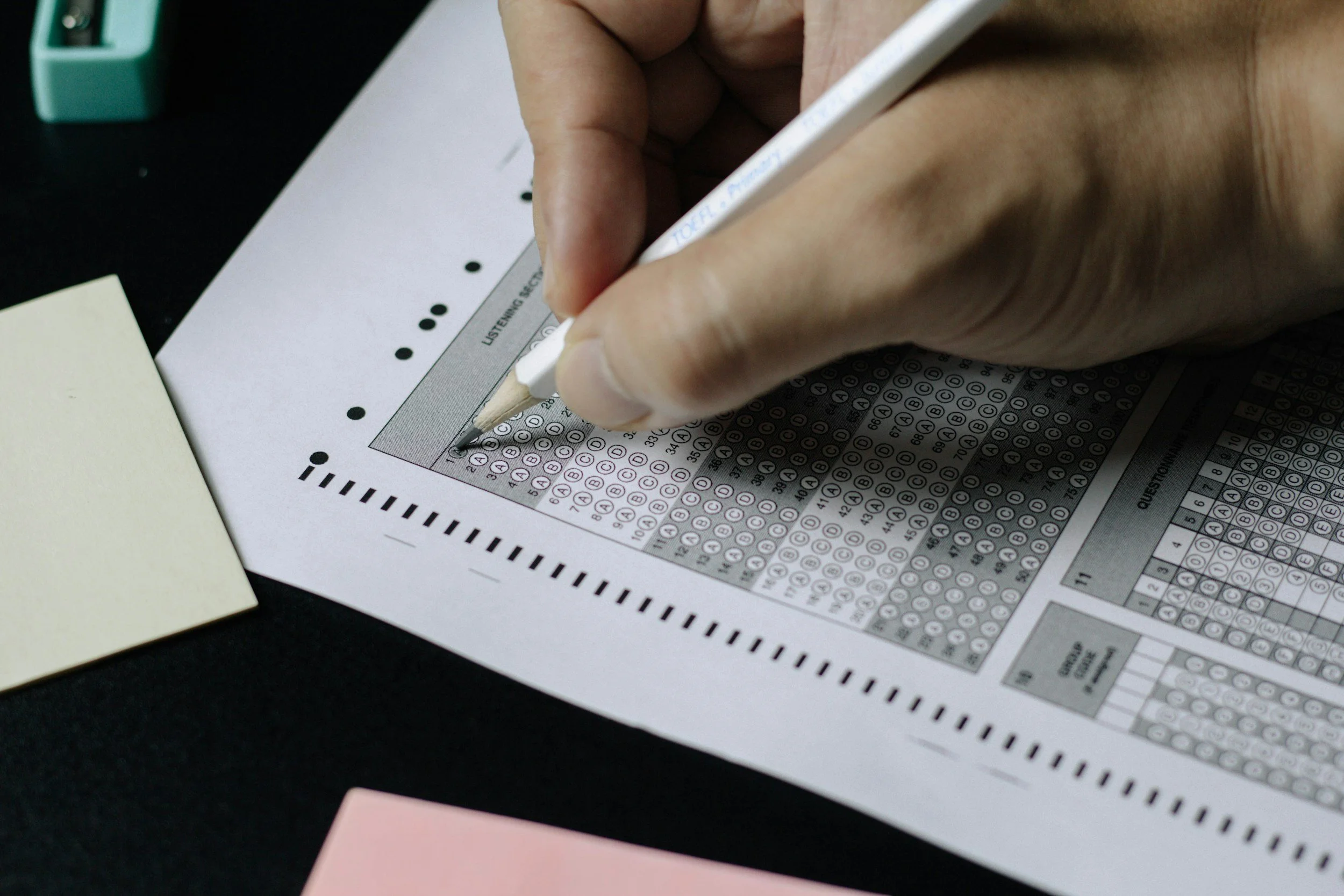
One option is writing about future outcomes. For example, take 15 to write about what would your perfect life look like? Friends, family, work, school, hobbies etc. How good would it look and what would your life feel to live if it was like this? Now do the same for the worst case of your bad habits getting out of hand. How would that life look? This is a good way to make the future feel more “real”.
A motivation ruler also can help. How would you rate your motivation on a scale of 1 to 10. What would need to change to move that higher up the scale? Why didn’t you mark it as lower?